Five triathlons in, and I still remember the morning of my first one with crystalline clarity. The pre-dawn alarm. The drive to the lake. The moment I saw 400 people in wetsuits milling around and thought, with genuine conviction, "I have made a terrible mistake."
I finished. I loved it. And I immediately thought of a dozen things I'd do differently.
🏊 About Training
💡 You don't need to be fit to start training
I waited three months because I wanted to "get in shape first." This is like refusing to enroll in a language class until you already speak the language. The training IS how you get in shape. Start where you are.
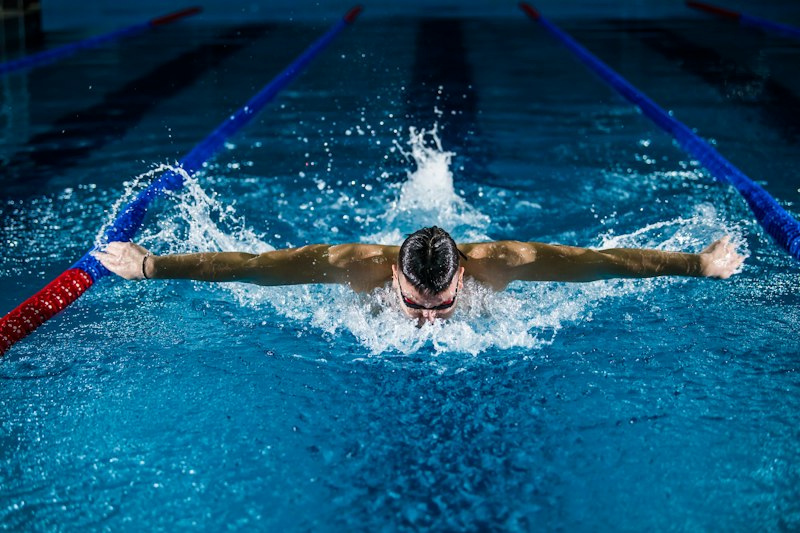
The swim is the most important thing to practice
I focused 60% of training on running because it was what I knew. On race day, the swim nearly broke me. If you can only do three workouts a week, make two of them swims and one a brick.
Brick workouts feel terrible and that's the point
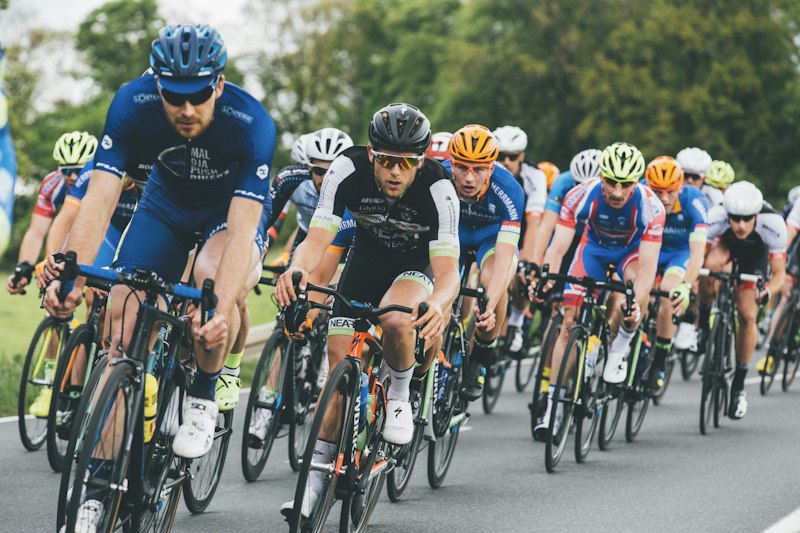
The first time I ran after getting off my bike, I thought something was medically wrong with my legs. Concrete columns with hinges in the wrong places. This is normal and gets better with practice. Do at least one brick per week.
⚠️ Rest days are not weakness
I trained every single day for four weeks during Olympic training. I ended up sick, overtrained, and slower than when I started. Rest is where adaptation happens. Take your rest days.
🔧 About Gear
- Elastic laces are the best $8 you'll spend. I lost a full minute in T2 at my first race because my cold, wet fingers couldn't tie shoelaces. At my second race, elastic lock laces saved 45 seconds.
- A good bike fit matters more than a good bike. My friend spent $2,500 on a bike and rode it with the seat too low for six months. He was slower than me on my $400 fitted road bike. Spend the $150-200 on a fit.
- Sunscreen is not optional. I forgot it at my second race. The sunburn from the 90-minute bike leg lasted ten days. Apply it 30 minutes before the race so it absorbs.
🏅 About Race Day
Arrive earlier than you think
Race starts at 7:00 AM? Show up at 5:30, not 6:30. You need to set up transition, check your bike, use the bathroom, get body-marked, attend the briefing, warm up in the water, and find your wave start.
The swim start is chaos and that's normal
Bodies everywhere. Feet kicking your face. Someone swimming directly over you. Start at the back. Let the chaos go ahead. Find your space after the first 200 meters.
You'll want to quit during the race -- keep going
There will be a moment when every fiber says "stop." Your legs hurt, lungs burn, and your brain constructs elaborate arguments for walking off the course. Keep going. That moment passes. Every single time.
🏆 The finish line feeling is better than you imagine
People told me I'd feel emotional. I thought they were being dramatic. Then I crossed the line, heard the announcer say my name, and teared up. That undeniable proof of capability is genuinely life-changing.
Post-race depression is real
For weeks, your life had structure: train for the triathlon. Then it's over and you feel a little lost. This is normal. The fix: sign up for the next one. Give yourself a week to recover, then start thinking about what's next.
🏅 About the Community
- Triathletes are absurdly nice. At my first race, someone helped me zip my wetsuit. During the bike, someone shouted "looking strong!" as they passed me (I was not looking strong). At the finish, strangers congratulated me like I'd won the Olympics.
- Nobody cares how fast you are. The community celebrates finishers, not winners. The person finishing in 3 hours gets the same cheers as the person finishing in 1 hour.

🎯 The One Thing I'd Tell Myself
If I could go back, it would be this: you are more capable than you think. The voice that says "you're not ready" or "you're not an athlete" is wrong. The bar for doing a triathlon is lower than you imagine, and the reward for crossing that bar is higher than you expect.
Sign up. Start training. Show up on race day. Everything else is details.
Train smarter with TriTracker
Personalized 12-week swim, bike, and run training plans. Syncs with Apple Watch, Strava, and Garmin automatically.