The bike question is the first big financial decision of triathlon, and it's where beginners are most likely to either overspend or over-stress. Let me save you some anxiety: you do not need a specific kind of bike for your first triathlon. You need a bike that rolls, stops, and shifts. Everything else is optimization.
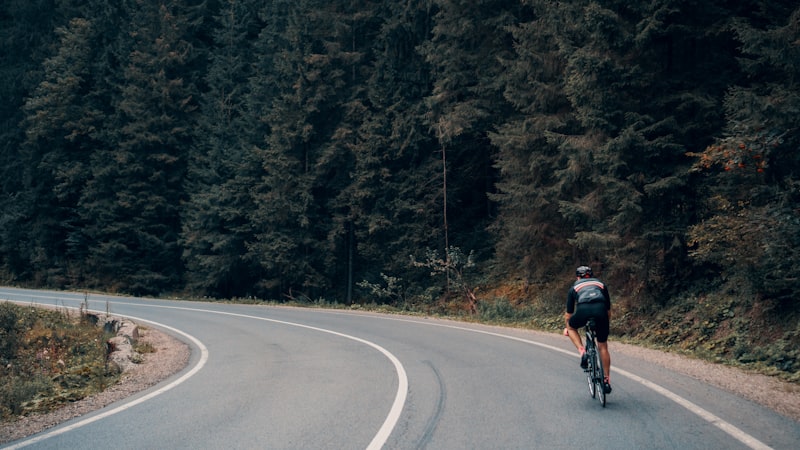
🚴 The Four Bike Types for Triathlon
Road Bike
Drop handlebars, thin tires, lightweight frame. The most versatile option for 90% of first-time triathletes. Ride it in the race, on weekends, commute on it, and add clip-on aero bars later.
PROS
- + Versatile -- race, train, commute
- + Comfortable riding position
- + Easier to handle
- + Upgradeable with aero bars
- + Holds resale value
CONS
- - Less aerodynamic than a tri bike
- - Riding position not optimized for tri
Budget: $300-600 used / $800-1,500 new entry-level
Triathlon / Time Trial (TT) Bike
Aero bars, aggressive forward position, designed to cheat the wind. Purpose-built for triathlon -- faster, but less comfortable, harder to handle, and useless for anything other than racing.
PROS
- + Most aerodynamic option
- + Saves 1-3 mph at same effort
- + Position preserves running muscles
CONS
- - Expensive ($2,000-10,000+)
- - Less stable, especially downhill
- - Not versatile (race-only)
- - Harder to handle for beginners
- - Can't use in group rides (safety)
Budget: $1,500-3,000 used / $2,500-10,000+ new
Hybrid / Commuter Bike
Flat handlebars, wider tires, upright position. Not fast, but comfortable and stable. If this is what's in your garage, ride it. You'll finish, and that's what race one is about.
PROS
- + You probably already own one ($0)
- + Very comfortable
- + Easy to handle
CONS
- - Heavier and slower
- - Upright position catches more wind
- - Not upgradeable for tri
Budget: $0 (you own it) / $300-700 new
Mountain Bike
Knobby tires, suspension, heavy frame. People race triathlons on mountain bikes all the time, especially sprints. Lock out the suspension, pump up the tires to max pressure, and go for it.
PROS
- + You might already own one
- + Very stable
- + Extra workout!
CONS
- - Significantly slower on pavement
- - Much heavier
- - Knobby tires add rolling resistance
Budget: $0 (you own it)
🎯 The Decision Flowchart
- Do you own any bike? Use it for your first race. Period.
- Buying your first bike for triathlon? Get a used road bike. Budget $300-600.
- Done 3+ triathlons and want to go faster? Invest in a professional bike fit first, then consider a new road bike or adding aero bars.
- Racing 70.3 or Ironman and committed? Now a tri-specific bike makes sense. But get a fit before buying.

🔧 Bike fit matters more than the bike
A $500 road bike with a proper professional fit will be faster and more comfortable than a $3,000 bike that doesn't fit you. A bike fit ($150-200) adjusts the saddle height, handlebar reach, and cleat position to match your body. It's the single best cycling investment you'll ever make.
🚴 Essential Bike Accessories
| Item | Why | Cost |
|---|---|---|
| Helmet (CPSC certified) | Required by every race. No helmet = no race. | $30-150 |
| Water bottles + cages | Hydration during the bike leg | $15-25 |
| Spare tube + tire levers | Fix a flat mid-race | $15-20 |
| CO2 cartridge or mini pump | Inflate the new tube | $10-25 |
| Saddle bag | Carries your repair kit under the seat | $10-20 |
| Clip-on aero bars (optional) | Cheap aero upgrade for road bikes | $40-100 |
⚠️ What About E-Bikes?
No. E-bikes are not allowed in triathlon races. The motor is considered mechanical assistance, which is against race rules. Train on whatever you want, but race on a human-powered bike only.
Train smarter with TriTracker
Personalized 12-week swim, bike, and run training plans. Syncs with Apple Watch, Strava, and Garmin automatically.