Nutrition is where most first-time triathletes blow up their race. Not because the science is complicated, but because they either (a) don't eat enough and bonk, (b) eat something new and get stomach issues, or (c) forget to eat at all because they're too focused on the race.
I made all three of those mistakes across my first two races. Here's the nutrition plan I wish I'd followed from the start.
⚠️ The Golden Rule
Nothing new on race day. Every food, gel, drink, and supplement you consume during your race should be something you've already tested during training. Your stomach is not adventurous under race-day stress.
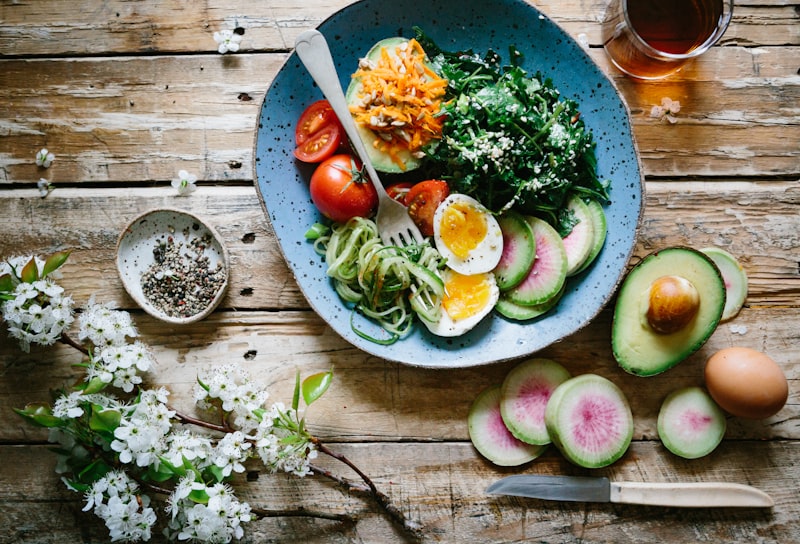
🍴 The Night Before
This is not the time for a massive carb-loading feast. That's a myth from the 1970s that mostly just makes you feel bloated. Instead, eat a normal-sized dinner: heavy on carbs, moderate in protein, low in fat and fiber.
💡 Good options
Pasta with simple red sauce and chicken • Rice with grilled fish • Basic pizza • Burritos (hold the extra beans and hot sauce)
⚠️ Avoid
Anything spicy • High-fiber foods (beans, raw veg, bran) • Fried or very fatty foods • Alcohol • Anything you've never eaten before
☕ Race Morning
Eat your pre-race meal 2-3 hours before the race start. This gives your body time to digest.
My go-to: Two pieces of toast with peanut butter and a banana, plus a cup of coffee. Nothing revolutionary, but I've eaten it before every training session for months.
Other tested options:
- Oatmeal with honey and a sliced banana
- A bagel with cream cheese
- Toast with jam and a hard-boiled egg
- A smoothie (banana, oats, peanut butter, milk)
20-30 minutes before the start: One energy gel with 8-12 oz of water to top off glycogen stores.
⚡ During the Race: Fueling by Discipline
🏊 The Swim
You can't eat during the swim. Your pre-race fuel carries you through. For a sprint swim (15-25 minutes), no additional fuel is needed.
🚴 The Bike: Your Main Fueling Window
The bike is when you need the most calories. It's the longest leg and it's much easier to eat on a bike than while running. Most run stomach problems are actually caused by under-fueling on the bike.
Fueling targets during the bike:
- Sprint: 1 gel + water is usually enough
- Olympic: 2-3 gels or equivalent, 1-2 water bottles
- Half Ironman: 200-300 calories per hour from gels, chews, or bars
- Full Ironman: 250-350 calories per hour, mix of solid food and gels
🏃 The Run: Maintenance Mode
If you fueled well on the bike, the run is about maintaining energy. Take a gel every 30-45 minutes and grab water or sports drink at every aid station. Stick to liquid calories -- your stomach is more sensitive due to the bouncing motion.
🧮 Race Nutrition Calculator
Fueling Estimator
Estimate how many gels/calories you'll need based on your race distance and expected time.
🥤 Hydration: The Other Half
Dehydration slows you down more than almost anything else. But over-hydration (hyponatremia) is dangerous too. Keep it simple:
- Before the race: Sip water throughout the morning. Urine should be light yellow -- not clear (over-hydrated) or dark (dehydrated).
- During the bike: 12-24 oz per hour, more in heat. Alternate water and sports drink.
- During the run: Take a cup at every aid station. Small sips while walking through.
💧 Electrolytes matter
Plain water isn't enough for races longer than 90 minutes. You lose sodium, potassium, and magnesium through sweat. Use sports drink, electrolyte tablets, or salt capsules. Target 300-600mg sodium per hour.
🏆 Post-Race Recovery
Within 30-60 minutes of finishing, eat something with both carbs and protein. Your body is primed to absorb nutrients. The specific food matters less than just getting something in.
- Chocolate milk (perfect carb-to-protein ratio)
- A banana and a protein bar
- A turkey sandwich
- Whatever the race provides at the finish line
- Pizza and beer -- you earned it
⚠️ Common Nutrition Mistakes
| Mistake | What Happens | Prevention |
|---|---|---|
| Eating too much right before | Nausea, cramping during swim | Eat 2-3 hours before start |
| Skipping bike nutrition | Bonking on the run | Set a timer or eat at planned mile markers |
| Trying new foods on race day | Stomach distress, potentially race-ending | Test everything in training first |
| Drinking only water | Hyponatremia in longer races | Use sports drink or electrolyte tabs |
| Too much solid food on the run | GI distress, cramping | Stick to gels and liquid calories |
| Forgetting to eat while racing | Sudden energy crash | Set timed reminders or eat at landmarks |
Train smarter with TriTracker
Personalized 12-week swim, bike, and run training plans. Syncs with Apple Watch, Strava, and Garmin automatically.