You've trained for weeks. You've bought the gear. You've set three alarms for race morning. And then you arrive at the race venue and realize you left your helmet on the kitchen table. Or your timing chip in the hotel room. Or -- and this is a true story from a friend of mine -- your bike shoes in a different car.
After five triathlons and many conversations with fellow racers, here are the 15 things that trip up first-timers most often. Some are physical items, some are logistical details, and some are mental traps that can wreck your race before it even starts.
Backup goggles
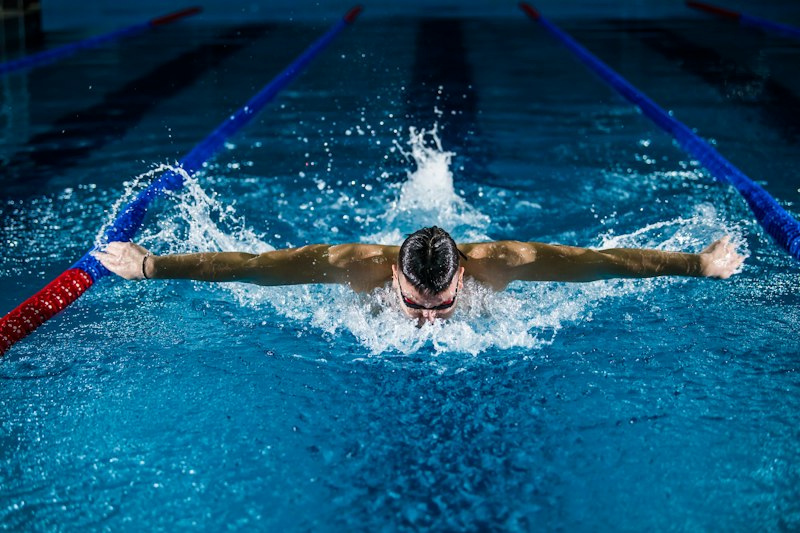
Your primary goggles can fog, leak, or snap a strap at the worst possible moment. Toss a second pair in your bag. They cost $10 and could save your race.
The timing chip
If you picked up your race packet the day before, your timing chip is probably sitting on a hotel nightstand right now. Pin it to your bag the moment you get it. No chip, no official time.
Sunscreen
You'll be outside for 1-6+ hours. That sunburn you get during the bike leg will hurt for days longer than any muscle soreness. Apply it 30 minutes before race start so it absorbs properly, and don't forget your ears and the back of your neck.
Anti-chafe cream
Salt water + wetsuit + hours of repetitive motion = chafing in places you didn't know could chafe. Apply liberally to your neck, underarms, and inner thighs. Body Glide or Aquaphor work great.
Knowing where your bike is in transition
Transition areas can have hundreds of bikes. You'll exit the swim disoriented and oxygen-deprived. Count the rows from the swim entrance to your rack, and look for a landmark (a tree, a sign, the end of a row). Some people tie a bright towel or balloon to their spot.
Pre-race nutrition timing
Eating too close to the start means swimming with a full stomach (miserable). Eating too early means running on empty by the bike. Aim to eat your pre-race meal 2-3 hours before start time, with a small gel 20 minutes before.
A flat repair kit
Many first-timers don't bring a spare tube, tire levers, and a CO2 cartridge or mini pump. A flat tire during the bike leg doesn't have to end your race -- unless you can't fix it.
Elastic laces
Regular shoelaces add 30-45 seconds to your T2 transition because your fingers are cold, wet, and shaking. Elastic lock laces let you slip your shoes on without tying. They cost $8 and pay for themselves immediately.

Race-morning bathroom timing
Port-a-potty lines at a triathlon can be 20+ people deep 30 minutes before the start. Get there early, or you'll be crossing your legs during the pre-race briefing. Experienced triathletes treat this as a non-negotiable part of their morning routine.
Knowing the bike mount/dismount lines
You must be off your bike before the dismount line entering T2, and you can't mount until after the mount line leaving T1. Crossing these while mounted is an automatic penalty. Walk the transition area before the race and note exactly where these lines are.
Post-race dry clothes
You'll be wet, sweaty, and possibly shivering after the race. Having a dry set of clothes and a warm layer in your car makes the celebration much more enjoyable.
Testing nutrition beforehand
Race day is not the time to try a new energy gel. "Nothing new on race day" is the most important rule in endurance sports. If you haven't eaten it during training, don't eat it during the race.
Putting the helmet on BEFORE touching the bike
This is a race rule, and it's strictly enforced. Touch your bike with an unbuckled helmet and you'll get a time penalty or disqualification. Practice the sequence: helmet on, buckle it, then grab the bike.
A race-day warm-up
Your swim start will go much better if you've done a brief warm-up swim beforehand. Even 5 minutes of easy swimming gets your body adjusted to the water temperature and calms your nerves.
Having fun
This sounds cheesy, but the most common regret first-timers have is being so stressed about logistics and times that they forget to enjoy the experience. You're doing a triathlon. That's incredible. Smile at the volunteers, high-five the spectators, and soak it in.
⏱️ The Pre-Race Timeline
Here's a suggested schedule for race morning that accounts for all the above:
- Race start minus 2.5 hours: Wake up, eat pre-race breakfast
- Race start minus 2 hours: Drive to venue, find parking
- Race start minus 1.5 hours: Check in (if needed), get body marking
- Race start minus 1 hour: Set up transition area, check gear
- Race start minus 45 min: Bathroom break (beat the line)
- Race start minus 30 min: Put on wetsuit, apply sunscreen and anti-chafe
- Race start minus 15 min: Quick warm-up swim, find your start position
- Race start minus 5 min: Listen to pre-race briefing, take a deep breath
Train smarter with TriTracker
Personalized 12-week swim, bike, and run training plans. Syncs with Apple Watch, Strava, and Garmin automatically.