Let me tell you about my first open water swim. I waded into a lake, put my face in the water, and immediately forgot how to breathe. Not because I couldn't swim -- I'd been doing laps in a pool for weeks. But the dark water, the weeds brushing my legs, and the inability to see the bottom triggered a panic response that my pool training hadn't prepared me for.
I rolled onto my back, floated for a minute, talked myself down, and eventually finished the swim. It wasn't pretty. But I finished. And every open water swim since then has been easier.
If you're afraid of the open water portion of a triathlon, you're in very good company. It's the #1 anxiety source for new triathletes, and there are specific, practical things you can do about it.
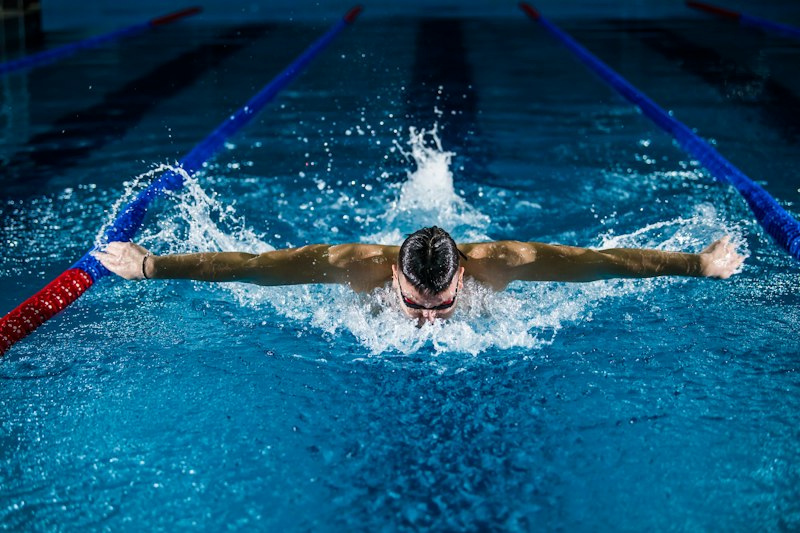
🌊 Why Open Water Feels Different
The pool is controlled. Clear water, lane lines, a wall every 25 yards, a lifeguard, and a visible bottom. Open water removes all of that. The specific triggers are usually one or more of the following:
I can't see the bottom +
The most common trigger. In a pool, you can see everything. In open water, you might see two feet of murky green nothing.
What helps: Tinted or mirrored goggles reduce the "looking into the abyss" feeling. Focus on your hand entering the water rather than looking down. The depth beneath you is irrelevant -- you float the same whether it's 4 feet or 40 feet deep.
Things touching my legs +
Weeds, fish, other swimmers' feet. Your imagination fills in the blanks with the worst possible explanation.
What helps: A wetsuit creates a physical barrier between you and everything in the water. Beyond that, exposure therapy: the more you swim in open water and experience harmless leg touches, the less your brain freaks out.
I can't stop and stand up +
In the pool, you can grab the wall or stand up any time. In open water, stopping means treading water.
What helps: Practice treading water until it feels effortless. Practice floating on your back -- this is your emergency reset position. In a race, there are kayakers and lifeguards on the course specifically to help.
Swimming with a crowd +
Getting kicked, swum over, and jostled in a mass start feels aggressive and chaotic.
What helps: Start at the back or side of your wave. The chaos lasts about 2-3 minutes, then the field spreads out. Being 30 seconds slower off the start is worth the peace of mind.
I'm not a strong enough swimmer +
You don't need to be fast. A sprint triathlon swim is 750 meters -- about 15 lengths of a pool.
What helps: Build up to 1.5x the race distance in the pool. If you can swim 1,100 meters in a pool, 750 meters in open water will feel manageable even with added stress.
📋 The 6-Week Confidence Plan
If your race is more than 6 weeks out, follow this progression:
- Weeks 1-2: Pool mastery. Swim 750m twice per week. Practice bilateral breathing. Get comfortable being in the water for 15-25 minutes straight.
- Weeks 2-3: Simulated open water. Swim with eyes closed for a few strokes at a time. Practice sighting every 6-8 strokes.
- Weeks 3-4: First open water session. Go with a friend. Stay in shallow water. Swim parallel to shore. Just get comfortable in natural water.
- Weeks 4-5: Build distance. Swim 50m, then 200m, then 400m in open water. Practice sighting on a landmark. Try your wetsuit.
- Week 5-6: Full distance. Swim the race distance in open water. If possible, swim the actual race course.
💡 The minimum viable open water plan
If you can only do one open water swim before race day, do it in the last two weeks and aim for at least half the race distance. Even a single session dramatically reduces race-day anxiety.
⚠️ In-The-Moment Panic Strategies
Despite all preparation, you might still feel panic. Here's what to do:
- Roll onto your back. Breathe freely, rest. The sky is less scary than murky water. Take 30 seconds.
- Switch to breaststroke or sidestroke. Keeping your face out of the water removes the "can't see" trigger. Slower, but still moving forward.
- Focus on your exhale. Panic makes you hold your breath, which makes you more panicky. Force a long, steady exhale underwater. The inhale takes care of itself.
- Count your strokes. "One, two, three, four, breathe." Give your brain a simple task instead of imagining threats.
- Grab a kayak. Support kayakers are on the course. You can hold on to rest without being disqualified.
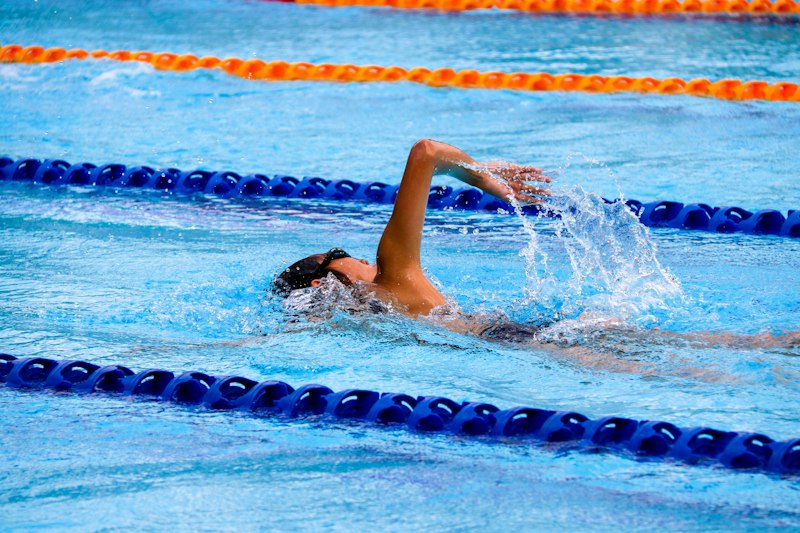
🌞 Try This Breathing Exercise
Practice this box breathing technique before your swim. It activates your parasympathetic nervous system and physically lowers your heart rate.
4 seconds in, 4 seconds hold, 4 seconds out, 4 seconds hold
🏊 Race Day Swim Tips
- Warm up in the water. Get in 10-15 minutes before your start and swim easy for 5 minutes. Reduces cold-water shock.
- Position yourself wisely. Back of the pack, to the outside. Clear water, fewer people to dodge.
- Sight every 6-8 strokes. Quick head lift, spot the buoy, head back down. Just eyes above waterline.
- Draft if you can. Swimming behind or beside a slightly faster swimmer reduces effort by up to 25%.
- Break it into segments. Don't think "750 meters." Think "swim to that buoy." Then the next one.
🌊 It gets easier
The fear never fully goes away for many triathletes -- it just becomes manageable. My fourth race still gave me butterflies. But I knew from experience they'd fade after the first 200 meters. That knowledge is the real cure.
Train smarter with TriTracker
Personalized 12-week swim, bike, and run training plans. Syncs with Apple Watch, Strava, and Garmin automatically.